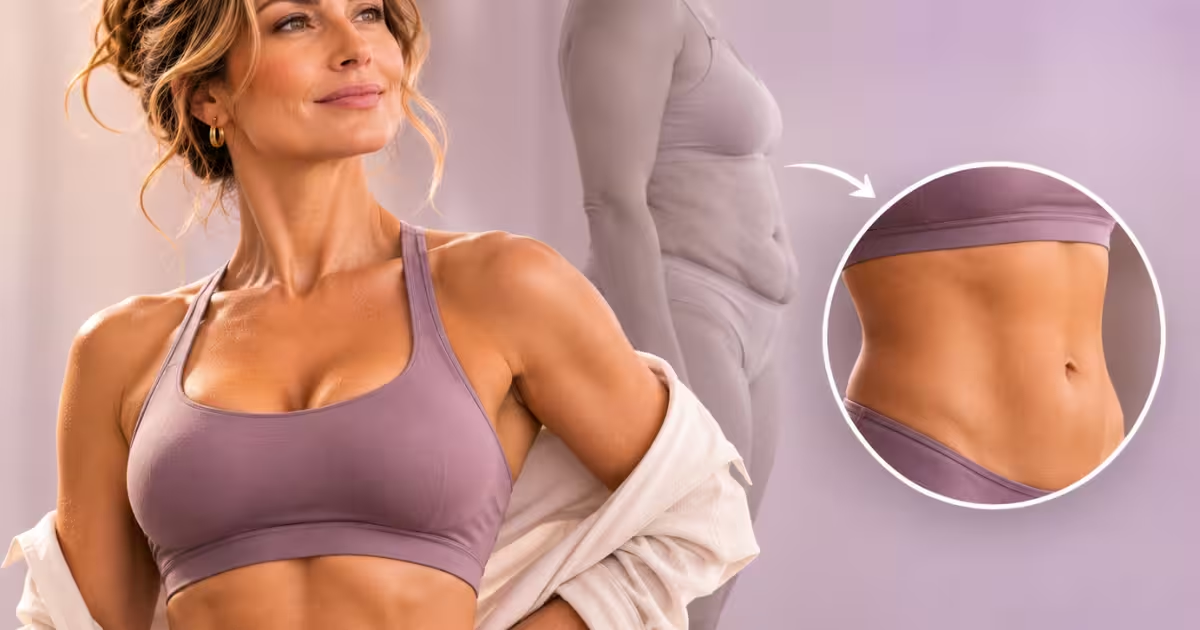
Significant weight loss represents an important transformation. Whether it follows bariatric surgery or is achieved with the help of medications such as Ozempic, Wegovy, and Mounjaro, losing a substantial amount of weight can bring benefits to health and quality of life.
However, there is another stage that deserves attention: what happens to the skin after weight loss?
In many cases, the reduction in body volume is not accompanied by complete tissue retraction. As a result, folds and excess skin may remain on the abdomen, arms, thighs, back, and breasts.
Even when the desired weight is reached, these changes can affect body contours and cause physical discomfort.
This is where body contouring surgery becomes important.
Total ReLift Body proposes a comprehensive approach to assessing and addressing body changes after significant weight loss. The approach considers different areas of the body, each patient’s anatomical needs, and the possibilities of combining procedures.
More than simply removing excess skin, treatment planning aims to restore more harmonious body proportions while respecting each individual’s physical limitations.
What Is Total ReLift Body?
Total ReLift Body is a plastic surgery planning approach for patients who have excess skin and changes in body contours after significant weight loss.
Its purpose is to assess the body as a whole rather than focusing exclusively on one area.
After substantial weight loss, patients may experience several changes simultaneously. The abdomen may have excess skin, the arms may become loose, and the breasts may lose volume and support.
The back, thighs, and buttocks may also undergo significant changes.
Total ReLift Body considers these individual characteristics to establish a personalized treatment plan and identify which procedures may help improve body contours.
The assessment may include:
- Abdomen: excess skin, laxity, and changes in the abdominal wall.
- Arms: excess tissue along the inner arms and near the armpits.
- Breasts: loss of volume, sagging, and changes in breast position.
- Back: skin folds and excess tissue in the posterior region.
- Thighs: skin laxity and excess skin, particularly on the inner thighs.
- Buttocks: loss of volume and changes in tissue support.
- Waist and flanks: changes in silhouette definition.
Based on this analysis, the plastic surgeon establishes priorities and evaluates which techniques may be appropriate.
It is important to emphasize that Total ReLift Body does not mean performing all surgeries in a single operation. The combination of procedures and whether treatment should be divided into stages depend on each patient’s medical condition and safety.

Why Does Excess Skin Remain After Significant Weight Loss?
The skin contains collagen and elastin fibers, which are responsible for its firmness and elasticity.
These structures allow tissues to adapt to certain changes in body volume. However, their ability to retract has limits.
During weight gain, the skin may remain stretched for extended periods. When a significant reduction in body fat occurs, the skin does not always return to its previous condition.
This process can result in folds, laxity, and excess tissue in different areas of the body.
What Factors Influence Excess Skin?
The degree of skin laxity varies according to individual characteristics and weight-loss history.
The main factors include:
Amount of weight lost: Significant reductions in body volume may increase the likelihood of excess skin.
Age: Aging affects the production and organization of collagen and elastin.
Genetics: Hereditary characteristics influence skin elasticity and the tissues’ ability to retract.
Duration of skin stretching: The longer the skin has remained stretched, the more difficult it may be for it to retract.
Skin quality: Sun exposure, smoking, and other factors may affect tissue condition.
Weight fluctuations: Repeated cycles of weight gain and loss may also contribute to changes in skin elasticity.
For this reason, two people who lose the same amount of weight may experience different degrees of skin laxity.
Can Excess Skin Develop After Bariatric Surgery and Weight-Loss Medication Use?
Yes. Skin laxity and excess skin may occur after different weight-loss approaches.
Bariatric surgery, for example, can lead to substantial weight reduction. As a result, some patients develop excess skin on the abdomen, arms, thighs, and other areas.
The same may happen to people who use weight-management medications such as semaglutide and tirzepatide.
Ozempic and Wegovy contain semaglutide, while Mounjaro contains tirzepatide. These medications act on mechanisms related to appetite regulation and metabolism.
When body volume decreases significantly, the skin does not always adapt to the transformation at the same rate.
It is important to clarify that excess skin should not automatically be attributed to the medication itself. It is primarily associated with the physical changes resulting from weight loss, as well as individual factors.
Regardless of the method used to lose weight, post-weight-loss planning should consider body composition, tissue quality, and weight stability.
To better understand this stage, see also:
- I Stopped Taking Weight-Loss Injections. What Now? How to Plan Body Recomposition: a complementary article about care after discontinuing weight-loss medication.
- Weight Loss with GLP-1 Medications: What Happens Next and How to Plan Body Recomposition: content about changes in body composition, muscle preservation, and follow-up after weight loss.
Which Areas May Require Body Contouring Surgery?
Plastic surgery after significant weight loss may involve different areas of the body.
The recommendation depends on the location of excess skin, the amount of excess tissue, and each patient’s anatomical characteristics.
1. Abdomen: Abdominoplasty
The abdomen is often one of the areas most affected after significant weight loss.
Excess skin may form folds in the lower abdomen, affecting waist contours and causing discomfort.
Abdominoplasty may be recommended to remove excess skin and, depending on the individual case, address changes in the abdominal wall.
Treatment planning considers the amount of excess tissue, muscle condition, and distribution of skin laxity.
2. Arms: Brachioplasty
The inner arms may develop excess skin after substantial weight loss.
This change may become noticeable during movement and cause discomfort when wearing certain types of clothing.
Brachioplasty, also known as an arm lift, is a surgical procedure designed to remove excess skin in this area.
The extent of the procedure depends on the distribution of skin laxity and the characteristics of the tissues.
3. Breasts: Mastopexy
After significant weight loss, the breasts may lose volume and support.
The skin may become looser, while the position of the breasts and nipples may change.
Mastopexy, also known as a breast lift, is a surgical procedure designed to address breast sagging and reposition the tissues.
In selected cases, it may be combined with breast implants when clinically appropriate and compatible with the patient’s goals.
The choice depends on the amount of breast tissue, the desired volume, and the patient’s anatomical characteristics.
4. Back and Posterior Region: Upper Back Lift
Excess skin may also remain in the upper back, especially after significant weight loss.
Skin folds may develop near the armpits, across the back, and around the chest.
An upper back lift may be recommended to remove excess skin in this area and improve the contours of the upper torso.
Its indication considers the location of excess skin, the extent of laxity, and how this area relates to other parts of the body.
5. Thighs: Thigh Lift
The inner thighs may develop significant skin laxity after weight loss.
Excess skin may cause friction while walking or exercising and alter the contours of the legs.
A thigh lift may remove excess tissue and improve the definition of this area.
The extent of surgery depends on the location and amount of excess skin.
6. Buttocks: Buttock Lift
Significant weight loss may also change the projection and support of the buttocks.
Some patients experience a reduction in volume combined with skin laxity.
A buttock lift may be considered when there is an indication to remove excess tissue and reposition the area.
The assessment must distinguish volume loss from skin laxity, as each condition may require a specific approach.
Which Procedures May Be Included in Total ReLift Body?
Treatment planning may involve different body contouring procedures, depending on the needs identified during the assessment.
The main options include:
- Abdominoplasty: treatment of excess abdominal skin.
- Brachioplasty: removal of excess skin and laxity in the arms.
- Mastopexy: correction of breast sagging and repositioning of the breasts.
- Upper back lift: treatment of excess skin in the upper back.
- Thigh lift: correction of excess skin on the legs.
- Buttock lift: treatment of certain changes involving skin laxity and tissue support.
- Body Lift: surgery that may address excess skin in different areas of the torso, depending on the technique used.
The choice should not follow a fixed combination of procedures.
In some cases, one surgery may address the patient’s main concerns. In others, treatment may be organized into different stages to respect safety limits.
The most important step is to establish priorities and understand which changes genuinely require intervention.
When Is the Right Time to Have Surgery After Weight Loss?
One of the main questions patients have is how long they should wait before undergoing body contouring surgery.
In general, it is important for body weight to be sufficiently stable and for the patient to be in adequate physical condition for recovery.
Treatment planning considers:
- Body weight stability.
- Weight-loss history and rate of weight reduction.
- Nutritional status.
- Presence of vitamin and mineral deficiencies.
- Assessment of associated medical conditions.
- Cardiovascular and metabolic health.
- Skin and tissue quality.
- Extent of the required procedures.
Patients who have undergone bariatric surgery require special attention to their nutritional status because they may develop deficiencies that interfere with wound healing.
Similarly, people who have used weight-loss medications should continue follow-up with their prescribing physician.
There is no universal waiting period that applies to everyone. The decision must consider each patient’s medical history, weight-loss progress, and the safety of the procedure.
What Is Recovery Like After Body Contouring Surgery?
Recovery depends on the procedures performed, the extent of surgery, and individual health conditions.
When treatment planning involves different areas of the body, postoperative care must be carefully organized.
Patients receive instructions regarding rest, movement, the use of compression garments when indicated, scar care, and medical follow-up.
Specific guidance regarding nutrition, hydration, and discomfort management during recovery may also be necessary.
In this context, Brazilian Body represents an integrated journey involving patient care, plastic surgery, and support.
The approach goes beyond the surgical procedure itself. Care begins before surgery and continues through every stage of the journey, with personalized planning, attentive support, and postoperative follow-up.
Depending on the patient’s needs and the agreed treatment plan, the experience may include premium flat-style accommodation, concierge services, support during the stay in São Paulo, and postoperative nursing care.
The goal is to provide greater comfort, organization, and peace of mind throughout the recovery period.
The time away from daily activities and the gradual return to routine should be determined by the medical team according to the surgery performed and each patient’s progress.
Total ReLift Body in São Paulo: Individualized Assessment with Dr. José Salim Cury
After significant weight loss, reaching the desired number on the scale may represent only one stage of the body’s transformation.
Excess skin and changes in body contours may remain and require a specialized assessment.
Dr. José Salim Cury (CRM-SP 150220 · RQE 82241), a plastic surgeon in São Paulo, works with individualized treatment planning, considering each patient’s anatomical characteristics, needs, and goals.
During an assessment for body contouring surgery, the following aspects are considered:
- Weight-loss history and weight stability.
- Amount and distribution of excess skin.
- Nutritional and medical conditions.
- Abdominal, breast, and limb laxity.
- Changes in the back and buttocks.
- Possibilities for combining procedures.
- Whether treatment should be divided into stages.
Total ReLift Body allows these needs to be organized within a broader approach to body contouring.
The goal is to identify which procedures may help improve body proportions while respecting anatomical limitations and surgical safety.
Schedule an assessment with the team of Dr. José Salim Cury (CRM-SP 150220 · RQE 82241) to learn about treatment options for excess skin after significant weight loss.
The next step is to understand your body’s needs and develop an individualized surgical plan.
Follow our Instagram profile.
Frequently Asked Questions About Excess Skin After Significant Weight Loss
What Is Total ReLift Body?
Total ReLift Body is a plastic surgery planning approach for patients with excess skin and changes in body contours after significant weight loss. It considers different areas of the body to define possible treatment options.
Who Can Have Body Contouring Surgery After Weight Loss?
People with significant excess skin after weight loss may seek an assessment with a plastic surgeon. Recommendations depend on weight stability, medical conditions, nutritional status, and anatomical characteristics.
Does Bariatric Surgery Always Cause Excess Skin?
Not necessarily. The likelihood of developing skin laxity depends on the amount of weight lost, age, genetics, skin elasticity, and other individual factors.
Can People Who Lose Weight with Ozempic or Mounjaro Have Surgery to Remove Excess Skin?
Yes. They may be assessed for body contouring surgery. Recommendations depend on weight stability, medical and nutritional conditions, and follow-up related to the medication used.
Which Surgeries Can Be Performed After Significant Weight Loss?
Options include abdominoplasty, brachioplasty, mastopexy, upper back lift, thigh lift, buttock lift, and Body Lift. The choice depends on the areas affected.
Is It Possible to Have All These Surgeries in a Single Operation?
Not always. The extent of the procedures and the patient’s medical condition may require treatment to be divided into stages. Safety should guide this decision.
What Is Brazilian Body?
Brazilian Body is an integrated plastic surgery and patient care journey. Depending on the individualized treatment plan, it may include personalized planning, concierge services, accommodation, support, and follow-up during the postoperative period.
Where Can I Get an Assessment for Body Contouring Surgery in São Paulo?
Dr. José Salim Cury (CRM-SP 150220 · RQE 82241) provides plastic surgery assessments in São Paulo. The consultation allows the surgeon to evaluate excess skin and discuss possible treatment options.
Medical Disclaimer: This content is intended for informational purposes only. Body contouring surgeries involve risks and require an individualized medical assessment. Recommendations, combinations of procedures, and results vary according to each patient’s medical condition and individual characteristics.